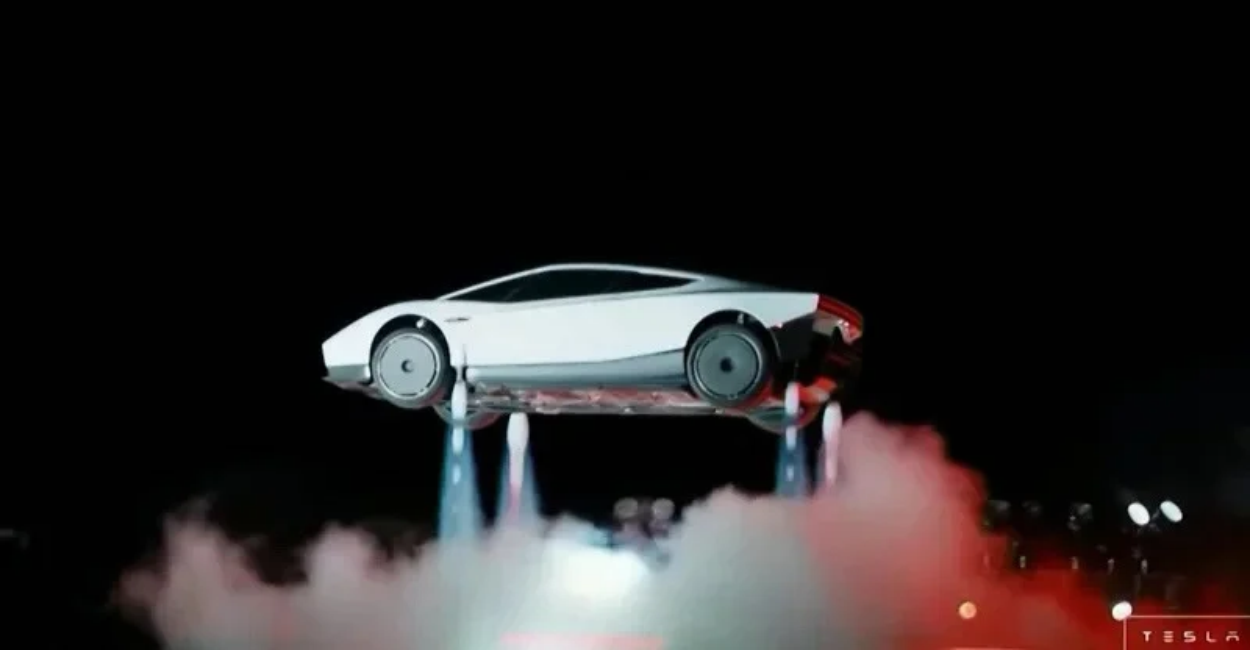
The Tesla Roadster has always been an exciting name in the electric car industry, but its latest development has taken the conversation to another level. Known for its sports car styling, impressive acceleration and all-electric powertrain, the Roadster is now attracting attention for something that sounds almost impossible: flying. With Tesla bringing rocket-inspired technology into the picture, the car has become a talking point among automobile enthusiasts and technology lovers alike. But how does it actually work, and can a car really fly without wings?
What Is the Tesla Roadster?
The Tesla Roadster is an all-electric sports car developed by Tesla, the company known for bringing electric vehicles into the mainstream. Unlike conventional sports cars that rely on petrol engines, the Roadster uses electric motors powered by a battery pack. This allows it to deliver rapid acceleration while producing no tailpipe emissions during driving.
Tesla introduced its original Roadster in 2008, helping demonstrate that electric cars could be exciting rather than simply practical. The next-generation Roadster was announced in 2017 with ambitious performance targets and a design focused on speed, efficiency and aerodynamics. The latest version has attracted even more attention because of its proposed rocket-inspired features, which take the idea of an electric sports car well beyond traditional expectations.
Why Is the Tesla Roadster Called a Flying Car?
The biggest reason behind the Roadster’s flying-car reputation is its connection with SpaceX, Elon Musk’s aerospace company. The idea is to combine the car’s electric powertrain with specialised propulsion technology that can push the vehicle beyond what ordinary road cars can achieve.
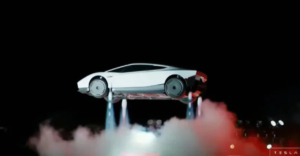
The latest Roadster demonstration in October 2026 showcased a prototype performing dramatic airborne stunts with the help of thrusters. The vehicle was also shown moving upside down using a suction-based system. These demonstrations have fuelled interest in the possibility of cars that can briefly lift off the ground rather than remain limited to conventional road driving.
However, there is an important distinction between a car performing a short, thruster-assisted jump and a vehicle capable of sustained flight. The Roadster’s demonstration does not mean it can fly around like an aeroplane or hover freely above city traffic.
How Does the Tesla Roadster’s Flying Technology Work?
The concept centres on cold-gas thrusters, a technology associated with spacecraft that need controlled bursts of propulsion. These systems release highly pressurised gas through specialised nozzles. As the gas moves in one direction, it generates a force in the opposite direction, allowing the vehicle to receive an additional push.
In the Roadster’s proposed rocket-equipped configuration, this technology is intended to help produce extraordinary acceleration and controlled movements. Depending on the final design and operating conditions, thrusters positioned around the vehicle could also help generate the force needed for brief airborne movements.
This approach is very different from the technology used in ordinary electric cars. A conventional EV depends on its electric motors and tyres to move along the road, while a rocket-assisted vehicle introduces another method of producing force. The system is technically ambitious, but its practical use will depend on factors such as propulsion duration, vehicle stability, safety and regulatory approval.
What Is the SpaceX Package in the Tesla Roadster?
The SpaceX package is the name associated with Tesla’s plan to incorporate rocket-inspired technology into the Roadster. Elon Musk discussed the idea in 2018, suggesting that compressed-gas thrusters could improve the car’s acceleration, braking and cornering performance.
The concept has evolved into a more dramatic proposition with the latest Roadster reveal. Rather than relying entirely on conventional automotive engineering, the rocket-equipped version is designed to use additional propulsion hardware to produce movements that would be impossible for a standard road car.
The key point is that the SpaceX connection does not turn the Roadster into a conventional rocket or aircraft. It brings aerospace-inspired engineering into a sports car, creating a vehicle that combines electric propulsion with specialised thrust systems. The actual capabilities of each version will depend on the equipment included in its final production configuration.
How Fast Is the Tesla Roadster?
Speed has always been central to the Roadster’s appeal. Tesla’s published specifications for the previously announced next-generation model have included a claimed 0–60 mph acceleration time of 1.9 seconds and a top speed exceeding 250 mph. These figures helped establish the Roadster as an ambitious electric performance car even before its latest rocket-powered concept attracted attention.
At the October 2026 demonstration, Tesla presented the new Roadster with an acceleration claim of less than one second from 0 to 60 mph. This is an extraordinary target, although the distinction between a manufacturer’s claim, a demonstration and independently verified production-car performance is important.
The additional thrust technology is intended to take acceleration beyond the capabilities of a conventional electric drivetrain alone. However, final specifications and real-world performance will need to be assessed against the production version rather than assumed from a demonstration.
What Makes the Tesla Roadster Different From Other Electric Cars?
Most electric cars are designed around everyday needs such as range, charging convenience, passenger comfort and safety. Even high-performance electric vehicles generally rely on electric motors, tyres and aerodynamic design to deliver speed and handling.
The Roadster aims to stand apart by combining these familiar EV characteristics with experimental aerospace-inspired technology. Its low, sporty design and focus on acceleration give it the appearance of a traditional supercar, while its proposed thrusters introduce an entirely different engineering approach.
Another important difference is its ambition. The Roadster is not simply intended to be another electric vehicle with a large battery and powerful motors. It represents Tesla’s attempt to explore the limits of vehicle performance and demonstrate how technologies from different engineering fields might work together.
Can You Actually Drive a Flying Tesla Roadster on the Road?
Although the idea sounds exciting, owning a flying Roadster does not automatically mean being able to take off from an ordinary street. A vehicle designed for road use must meet strict requirements involving braking, handling, passenger protection and other safety systems. Adding a propulsion system that can lift a car introduces further engineering and regulatory challenges.
The rocket-equipped version also needs to be distinguished from the standard Roadster configuration. Tesla has described different versions with different capabilities, and the most ambitious flying features are associated with the special Rocket configuration rather than every model.
The demonstration took place in a controlled environment, not on public roads. Before any such technology could become a practical everyday option, its safety, reliability, operating limits and legal status would need to be established. Production plans and announced specifications should therefore be treated separately from confirmed customer deliveries and road-use approvals.
When Will the Tesla Roadster Be Available?
The next-generation Roadster has been discussed for years, and its development timeline has changed several times. The latest October 2026 reveal has renewed interest in the project, with production targeted for 2028. However, a planned production date is not the same as a confirmed delivery date, and buyers should wait for official updates before making decisions based on availability.
The final vehicle may also differ from the prototype shown during demonstrations. Production specifications, market availability, pricing and the approval of specialised features can all affect what customers eventually receive.
For buyers in India, the situation requires particular attention. Availability will depend not only on Tesla’s production schedule but also on import arrangements, applicable regulations and the approval of the relevant vehicle configuration. The flying capabilities demonstrated by a prototype should not be taken as confirmation that the same version will be available for public-road use in India.
Is the Tesla Roadster the Future of Electric Performance Cars?
The Tesla Roadster raises an interesting question about how far electric vehicle technology can go. For years, electric cars have challenged the belief that performance requires a traditional petrol engine. The Roadster takes that idea further by exploring whether electric drivetrains can be combined with aerospace technology to create a completely different driving experience.
Its importance may not depend entirely on whether flying cars become common. The project could attract attention to advances in acceleration, vehicle control, aerodynamics and propulsion systems. At the same time, the complexity of rocket-assisted movement highlights the practical challenges involved in turning an exciting engineering demonstration into a reliable consumer product.
For now, the Roadster is best understood as an ambitious performance car with a highly experimental approach to vehicle movement. Whether its most extraordinary features reach production remains a question that future testing and official announcements will answer.
Final Thoughts
The Tesla Roadster is making headlines because it challenges the traditional idea of what an electric sports car can do. Its combination of electric power, extreme performance targets and SpaceX-inspired thrusters has introduced a new dimension to the conversation around future vehicles.
But the flying-car label needs some context. Short airborne stunts and rocket-assisted movements are not the same as sustained, practical flight. The technology is fascinating, yet its everyday usefulness will depend on safety, engineering, production readiness and regulatory approval.
If Tesla can turn even part of this ambitious concept into a production-ready vehicle, the Roadster could become an important example of how automotive and aerospace engineering are beginning to overlap.