Monsoon Car Care Guide: Smart Tips for Safe Driving in the Rain
Stay Safe and Keep Your Car in Great Shape This Rainy Season
The monsoon season brings much-needed relief from the summer heat, but it also creates new challenges for car owners. Slippery roads, waterlogged streets, poor visibility, and unexpected breakdowns can turn a simple drive into a stressful experience if your vehicle isn’t prepared.
A little extra care before and during the rainy season can make a huge difference. Whether you’re heading to work every day or planning a weekend road trip, following a few smart maintenance and driving practices can help you stay safe while protecting your car from costly damage.
In this guide, we’ll cover the most important monsoon car care and driving tips that every car owner should know.
Start with a Complete Vehicle Inspection
Before the rains become heavy, it’s a good idea to give your car a thorough inspection. Small issues that seem harmless during dry weather can quickly become major problems once the roads are wet.
Check your engine, battery, brakes, lights, windshield wipers, tyres, and fluid levels. If your vehicle is due for servicing, don’t delay it. Preventive maintenance is always more affordable than emergency repairs after a breakdown.
A well-maintained car performs better, offers improved safety, and gives you peace of mind during unpredictable weather.
Check Your Tyres Carefully
Tyres play a crucial role in maintaining grip on wet roads. As rainwater reduces friction between the tyres and the road surface, worn-out tyres can easily lose traction, increasing the risk of skidding.
Inspect the tread depth and look for cracks, uneven wear, or cuts. Also, make sure your tyre pressure matches the manufacturer’s recommendation. Both overinflated and underinflated tyres can affect handling during rainy conditions.
If your tyres have become old or excessively worn, replacing them before the monsoon is a smart investment in your safety.
Replace Old Windshield Wipers
Good visibility is one of the biggest safety factors while driving in heavy rain. Worn-out windshield wipers often leave streaks on the glass, making it difficult to see clearly.
If your wipers make noise, skip across the windshield, or fail to clean the glass properly, replace them before the rainy season begins. Also, keep the windshield washer reservoir filled with cleaning fluid to remove mud and road grime quickly.
Clear vision allows you to react faster and drive with greater confidence.
Make Sure All Lights Are Working Properly
Rainy weather often brings cloudy skies and poor visibility, even during daytime. Functional headlights, brake lights, tail lamps, indicators, and fog lamps help other drivers see your vehicle while also improving your own visibility.
Take a few minutes to inspect every light on your car. Replace damaged bulbs immediately and clean the light covers to remove dirt and water stains.
Good lighting is one of the simplest ways to improve road safety during the monsoon.
Don’t Ignore Your Car’s Brakes
Brakes become even more important on slippery roads where stopping distances increase. If you’ve noticed unusual noises, vibrations, or reduced braking performance, get them inspected immediately.
After driving through waterlogged roads, gently apply the brakes several times once it’s safe to do so. This helps dry the brake components and restores their effectiveness.
Reliable brakes can prevent accidents when road conditions suddenly change.
Protect Your Car Battery
Humidity and constant exposure to moisture can affect your vehicle’s battery. Corroded terminals or a weak battery may leave you stranded at the worst possible time.
Check that the battery terminals are clean and securely connected. If your battery is nearing the end of its expected lifespan, consider replacing it before the rainy season rather than waiting for it to fail unexpectedly.
Keep Your Cabin Fresh and Moisture-Free
Rainwater and humidity can make your car’s interior feel damp and uncomfortable. Moisture trapped inside the cabin may also lead to unpleasant smells, fogged windows, and even mold growth.
Use clean floor mats, remove any wet items quickly, and occasionally run the air conditioner to reduce humidity inside the vehicle. Keeping your cabin dry improves both comfort and air quality.
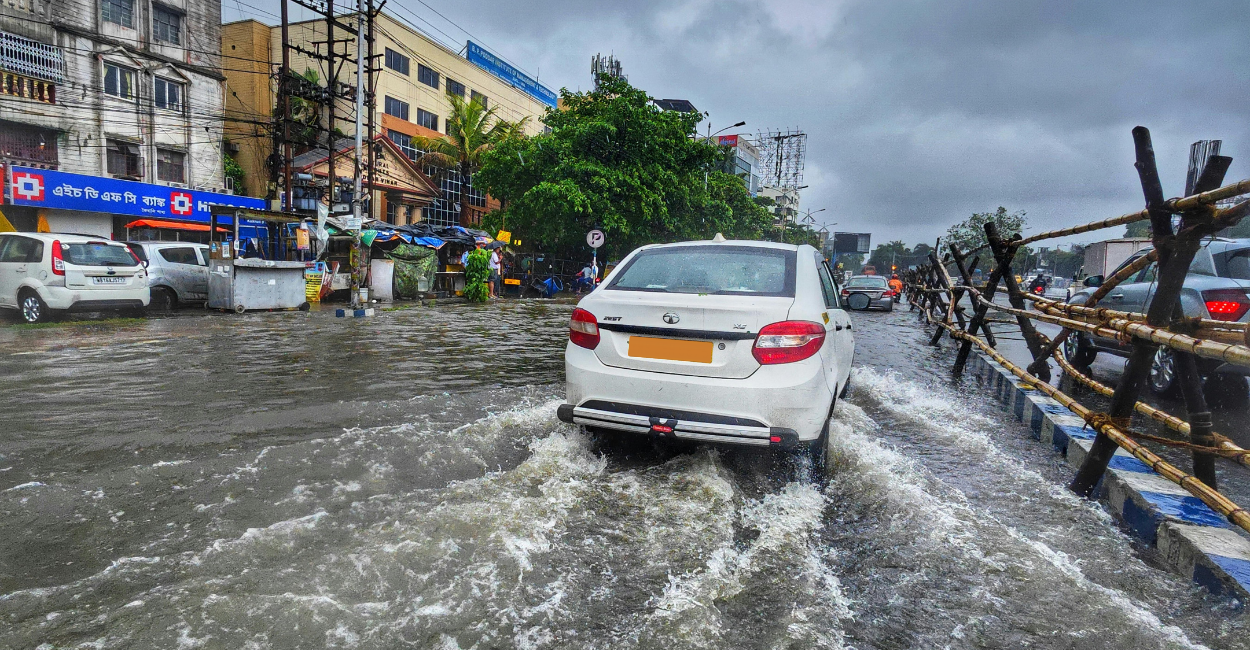
Avoid Driving Through Deep Water
Flooded roads can hide potholes, open drains, and other hazards beneath the surface. Even if another vehicle crosses successfully, water depth can vary significantly.
If the water level appears too high, it’s always safer to find an alternative route. Driving through deep water may damage the engine, electrical components, transmission, and braking system.
Remember that avoiding a risky road is always better than paying for expensive repairs later.
Drive Smoothly and Maintain Safe Distances
Rainy roads demand patience. Sudden acceleration, harsh braking, or quick lane changes can cause your vehicle to lose grip.
Reduce your speed, leave extra space between your car and the vehicle ahead, and anticipate traffic movements earlier than usual. These small adjustments give you more time to react if someone brakes suddenly or the road becomes slippery.
Safe driving is about staying calm rather than rushing to reach your destination.
Be Careful on Curves and Pothole-Filled Roads
Monsoon rains often damage road surfaces, creating hidden potholes that fill with water. Hitting one at high speed can damage your tyres, suspension, or wheel alignment.
Slow down on unfamiliar roads, especially around curves and low-lying areas. If you cannot judge the depth of standing water, avoid driving through it whenever possible.
A cautious approach can save both your vehicle and your wallet.
Keep an Emergency Kit in Your Car
Unexpected situations become more common during heavy rainfall. Carrying a small emergency kit can make a big difference.
Your kit should include a flashlight, power bank, first-aid box, tyre inflator, jumper cables, towing rope, raincoat, drinking water, and basic tools. It’s also helpful to keep your vehicle documents safely stored in a waterproof folder.
Being prepared allows you to handle minor emergencies without unnecessary stress.
Wash Your Car During the Monsoon
Rainwater isn’t always clean. It often contains dirt, pollutants, and acidic particles that can affect your car’s paint over time.
Washing your vehicle regularly removes mud, road salt, and grime that collect underneath the car and around the wheel arches. Applying a quality wax or paint protection coating also helps preserve the finish throughout the season.
Regular cleaning keeps your vehicle looking newer while protecting it from corrosion.
Final Thoughts
Driving during the monsoon doesn’t have to be stressful if your car is properly maintained and you adopt safe driving habits. A little preparation before the rainy season can significantly reduce the chances of breakdowns, accidents, and expensive repairs.
Take the time to inspect your vehicle, replace worn-out components, and drive with extra caution whenever road conditions become challenging. These simple monsoon car care and driving tips will help you enjoy safer journeys while keeping your vehicle in excellent condition throughout the season.