
India has taken another significant step towards cleaner and more sustainable transportation by exempting higher ethanol-blended petrol, containing between 22% and 30% ethanol, from central excise duty. The move reflects the government’s growing commitment to reducing dependence on imported crude oil, supporting domestic agriculture, and promoting environmentally friendly fuel alternatives.
The decision comes at a time when India is actively pushing its ethanol blending programme and encouraging the adoption of cleaner fuel solutions across the country. By offering tax benefits on higher ethanol blends, policymakers aim to accelerate the transition towards greener mobility while creating new opportunities for farmers and the biofuel industry.
Understanding Higher Ethanol-Blended Petrol
Ethanol is a renewable fuel produced primarily from sugarcane, maize, and other agricultural feedstocks. When blended with petrol, it helps lower carbon emissions and reduces the overall consumption of fossil fuels.
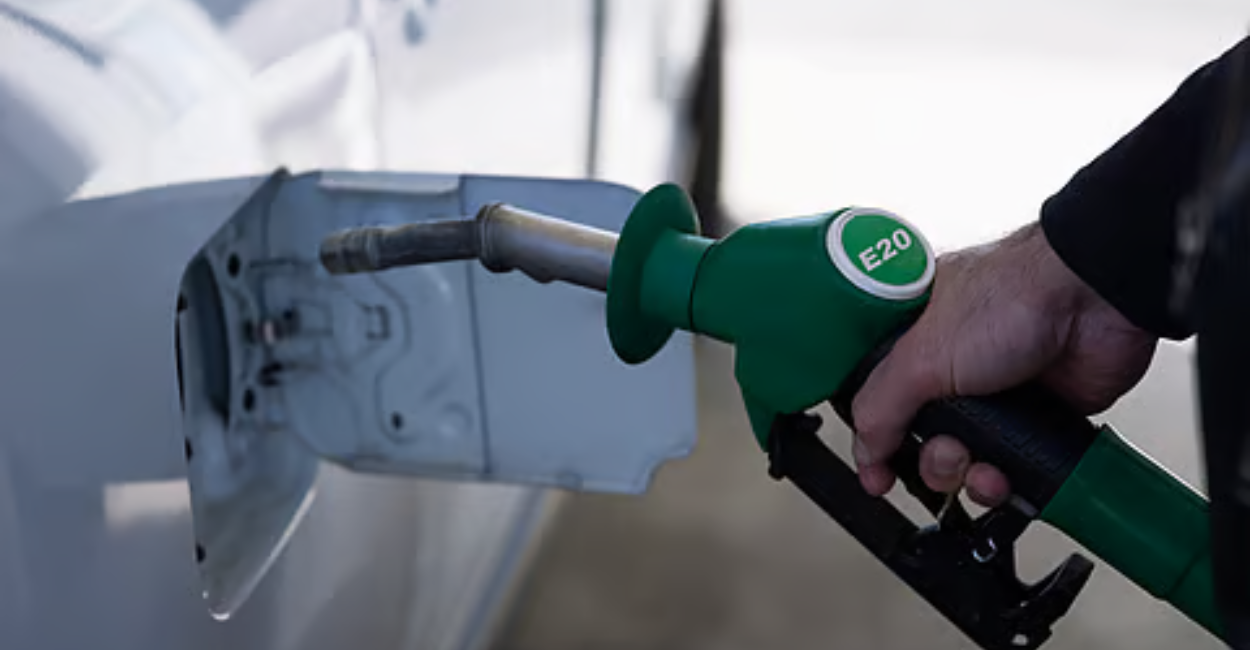
India has already made significant progress with E20 fuel, which contains 20% ethanol. The latest exemption targets petrol blended with even higher ethanol concentrations ranging from 22% to 30%, encouraging fuel producers and automobile manufacturers to move towards advanced blending standards.
The tax exemption makes these fuel variants more attractive by lowering their overall cost burden and improving their market competitiveness.
Why the Government Introduced the Excise Duty Exemption
One of the primary reasons behind the exemption is to strengthen India’s energy security. The country imports a large portion of its crude oil requirements, making it vulnerable to global price fluctuations and geopolitical uncertainties.
By increasing ethanol usage in fuel, India can gradually reduce its dependence on imported petroleum products. The move also supports the government’s broader vision of achieving greater self-reliance in the energy sector.
Additionally, the exemption is expected to boost demand for ethanol production, benefiting farmers who supply the raw materials needed for biofuel manufacturing. This creates a stronger link between the agricultural and energy sectors, generating economic opportunities in rural areas.
Environmental Benefits of Higher Ethanol Blending
The environmental advantages of ethanol-blended fuel are among the strongest arguments in its favour. Ethanol burns cleaner than conventional petrol and contributes to lower greenhouse gas emissions.
As India continues to battle air pollution in major cities, increasing the share of cleaner fuels can play an important role in improving air quality. Higher ethanol blends also help reduce the carbon footprint of the transportation sector, which remains one of the country’s largest contributors to emissions.
The excise duty exemption is expected to encourage wider adoption of these fuels, ultimately supporting India’s climate and sustainability goals.
Impact on Consumers and the Automobile Industry
For consumers, the immediate impact may not be dramatic, but the policy lays the foundation for more affordable and accessible biofuel options in the future. As production scales up and supply chains mature, higher ethanol-blended fuels could become increasingly common at fuel stations.
The automobile industry is also adapting to this shift. Manufacturers have already begun introducing flex-fuel and ethanol-compatible vehicles capable of running efficiently on higher ethanol blends. The government’s latest move provides additional momentum for investments in fuel-compatible technologies and infrastructure.
Over time, this could lead to a broader ecosystem that supports cleaner transportation choices for Indian consumers.
A Boost for India’s Ethanol Economy
India’s ethanol blending programme has emerged as one of the country’s major energy transition initiatives. The exemption from central excise duty signals confidence in the long-term potential of ethanol as an alternative fuel source.
Higher demand for ethanol can encourage fresh investments in distilleries, biofuel production facilities, and agricultural supply chains. This not only strengthens rural incomes but also creates employment opportunities across multiple sectors connected to ethanol production and distribution.
The measure aligns with the government’s objective of building a robust domestic biofuel ecosystem capable of meeting future energy needs.
Challenges That Still Need Attention
While the exemption is a positive development, several challenges remain. Expanding ethanol production capacity, ensuring consistent feedstock availability, and developing adequate fuel distribution infrastructure will be crucial for large-scale adoption.
Vehicle compatibility is another important consideration. Although many newer vehicles are being designed to handle higher ethanol blends, widespread adoption will require continued collaboration between fuel producers, automakers, and policymakers.
Addressing these challenges effectively will determine how quickly India can maximize the benefits of higher ethanol-blended fuels.
Conclusion
The exemption of central excise duty on petrol blended with 22% to 30% ethanol marks another milestone in India’s clean energy journey. Beyond the immediate tax relief, the decision supports multiple national priorities, including energy security, environmental sustainability, agricultural growth, and reduced dependence on imported oil.
As India accelerates its biofuel ambitions, policies like this are expected to play a crucial role in shaping a greener and more self-reliant transportation future. While challenges remain, the direction is clear: higher ethanol blending is becoming an increasingly important part of India’s long-term energy strategy.